
Field Notes · July 1, 2026 · 5 min · By Ximena Calloway
White patches in children: common causes and when to see a doctor
Most childhood light spots are harmless. A few deserve a closer look.
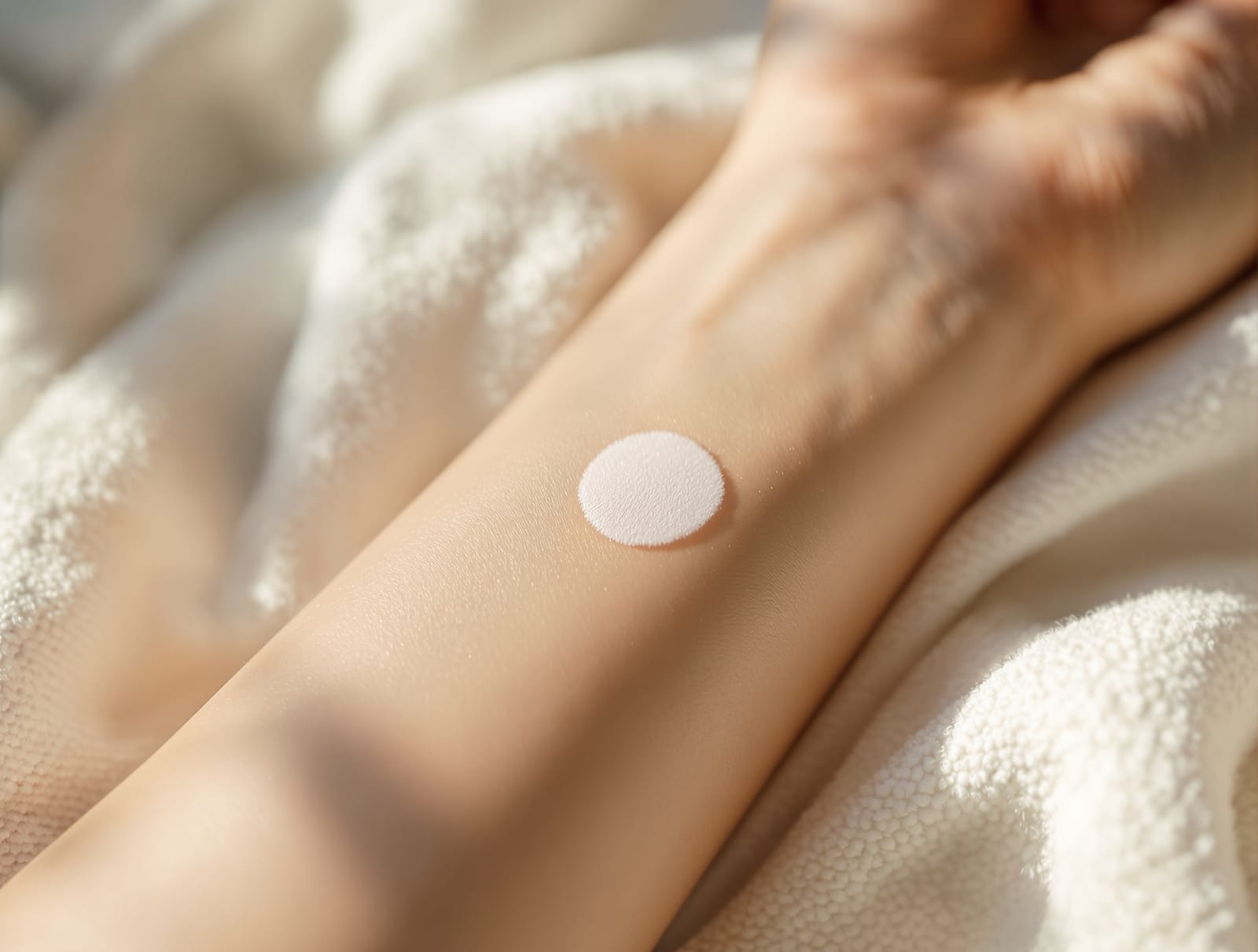
Parents often notice pale patches on a child's skin and worry about the worst, but in children the great majority of light spots are harmless and common. The most frequent is pityriasis alba, faint, slightly scaly pale patches usually on the cheeks or arms, seen often in kids with a history of dry skin or eczema. It is not an infection and not vitiligo; it fades on its own over months with gentle moisturizing and sun protection.
Other benign causes include pale marks left after a healed rash or scrape, a form of post-inflammatory hypopigmentation, and in warmer weather the fungal cause tinea versicolor in older children and teens, which responds to antifungal treatment. A pale birthmark present from very early on is usually just that. Most of these need reassurance, moisturizer, and sunscreen more than any active treatment.
A few features are worth a doctor's visit. Well-defined, chalky-white patches that are enlarging or spreading, especially around the eyes and mouth or on the hands, can suggest vitiligo, where earlier evaluation helps. A single pale patch present from birth alongside other symptoms, or patches with persistent scale, itch, or that simply are not settling, also deserve a look. As a general rule, faint, stable, slightly scaly patches in an otherwise well child are benign, while sharp, spreading, or symptomatic ones are the ones to have checked.
Related reading: When to see a dermatologist about white patches.