
Field Notes · March 31, 2026 · 5 min · By Ximena Calloway
Why sun protection matters even more with pigment loss
Pale patches burn easily and contrast worsens with a tan.
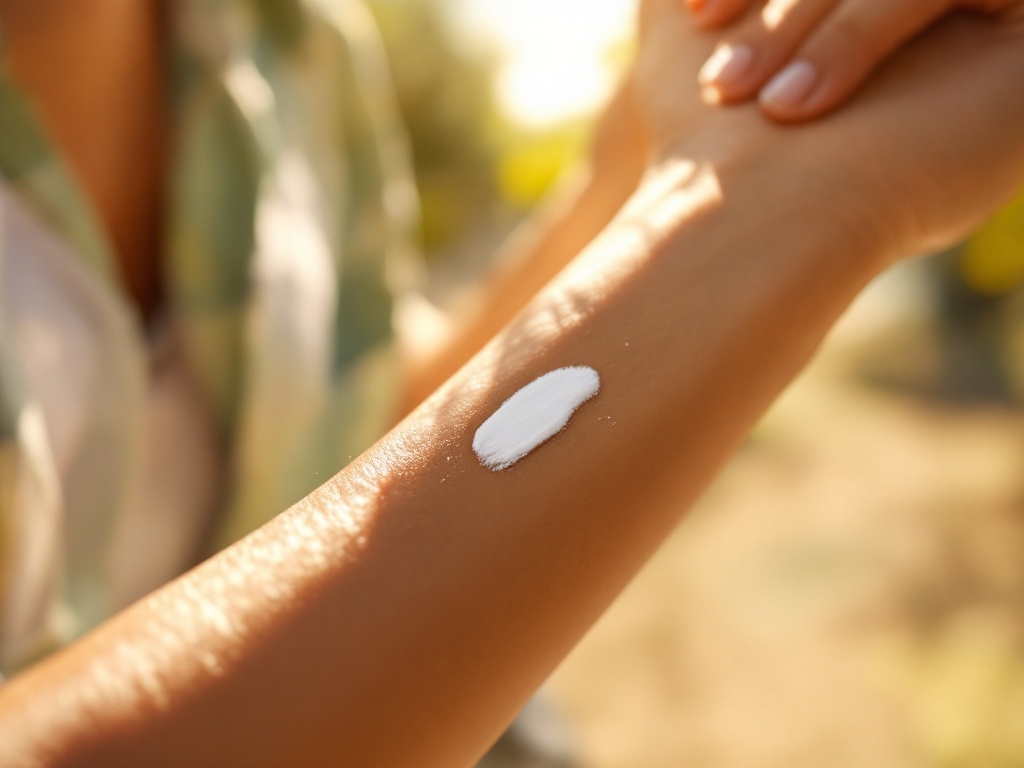
Sun protection matters for everyone, but for people with hypopigmentation it carries extra weight for two distinct reasons, and overlooking it undermines both safety and appearance.
First, depigmented skin has lost its natural protection. The pigment that normally shields skin from ultraviolet damage is reduced or absent in white patches, so those areas burn easily and are more vulnerable to sun damage and, over time, skin cancer risk. Rigorous sunscreen and physical protection of pale patches is therefore a health measure, not just a cosmetic one.
Second, sun exposure deepens the contrast that makes patches stand out. When the surrounding normal skin tans, the white patches appear even more conspicuous against the darker background, so a tan that someone might otherwise want actively worsens the visible difference. Protecting both the patches and the surrounding skin keeps the contrast minimal.
For anyone with vitiligo or other pigment loss, this makes daily broad-spectrum sun protection a central part of management, protecting vulnerable skin from damage while keeping the appearance as even as possible. It is one of the simplest, highest-value habits in caring for any pigment disorder.
Related reading: Phototherapy: light treatment for repigmenting skin.