
Field Notes · October 2, 2025 · 6 min · By Ximena Calloway
Understanding hypopigmentation: when skin loses color
From vitiligo to tiny white spots, the causes are varied and the treatments differ.
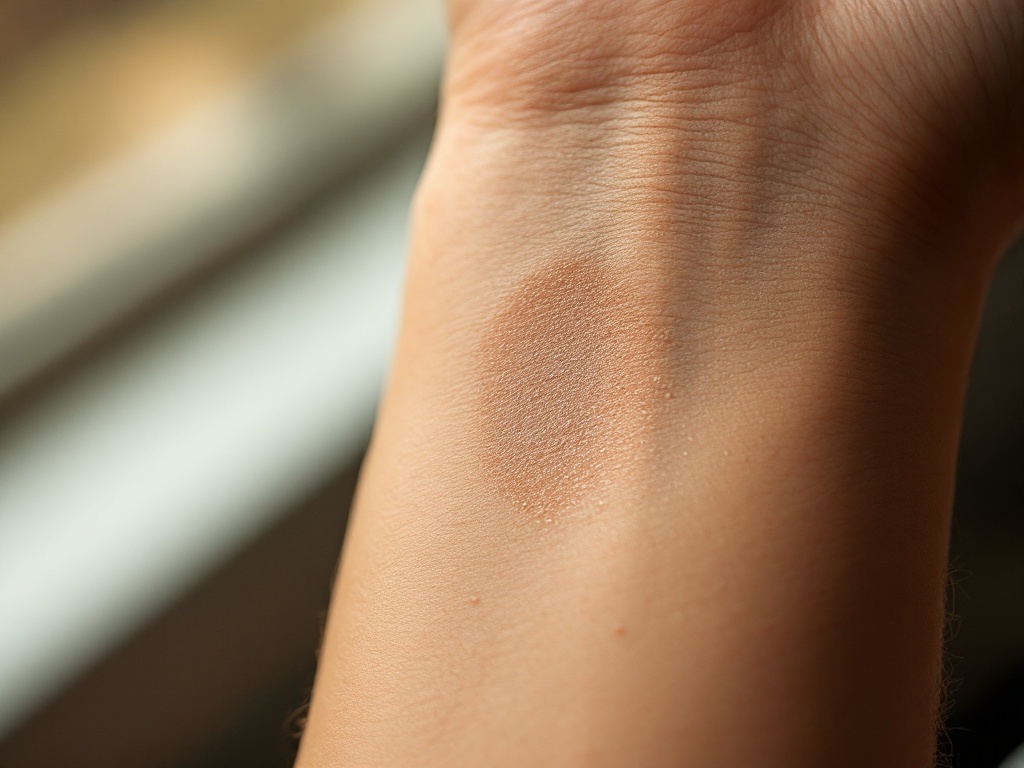
Hypopigmentation means skin that has lost some or all of its normal color, appearing lighter than the surrounding skin. It is not a single disease but a category with several distinct causes, and identifying which one you have is the necessary first step toward treating it.
Vitiligo is the best known: an autoimmune condition in which pigment cells are destroyed, producing well-defined white patches that often enlarge over time. Post-inflammatory hypopigmentation follows skin injury or inflammation, eczema, a burn, a procedure, that disrupts pigment production, usually fading as the skin recovers. Idiopathic guttate hypomelanosis produces the small, scattered white dots many people develop on sun-exposed arms and legs with age. Other causes include certain fungal infections (tinea versicolor) and inherited conditions.
Because the mechanisms differ so much, so do the treatments, autoimmune-directed therapy and repigmentation for vitiligo, time and barrier care for the post-inflammatory kind, antifungal treatment when an infection is to blame. The white patch itself does not reveal its cause; a dermatologist's exam, sometimes with a special lamp, sorts it out. Treating the wrong cause wastes time, which is why diagnosis comes before any cream.
Related reading: Phototherapy: light treatment for repigmenting skin.